
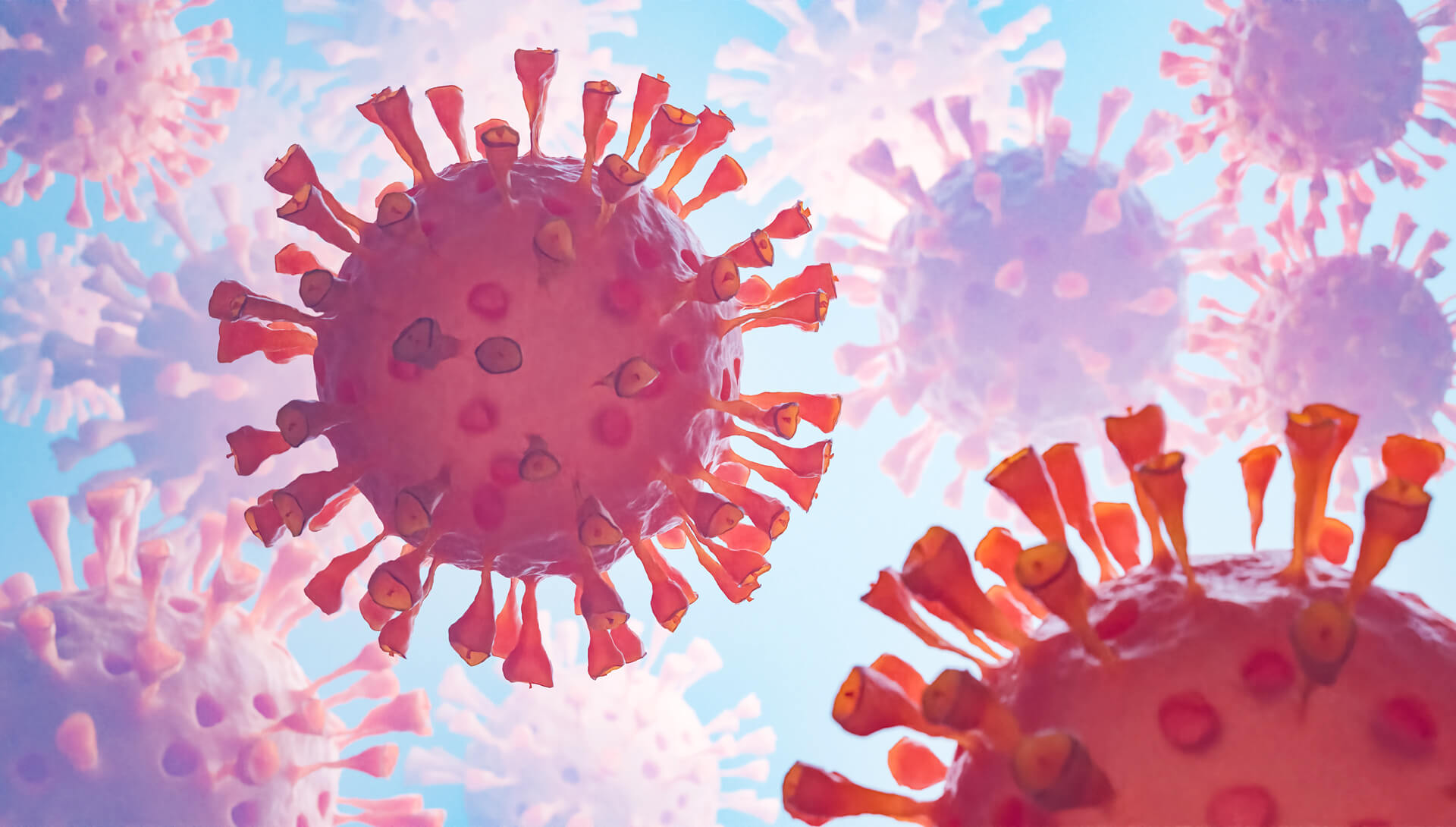
On August 14th, 2024, the World Health Organization (WHO) declared the Mpox formerly known as Monkeypox as a Public Health Emergency of International Concern (PHEIC). This followed an International Health Regulations (IHR) Emergency Committee meeting, where affected member states, including Uganda, presented their data. The global trends indicate that all WHO regions, except the Eastern Mediterranean, are currently reporting Mpox cases.
In response to the escalating Mpox outbreak, the Ministry of Health, the World Health Organization and other partners convened a briefing session of partners, heads of diplomatic missions and agencies to provide an overview of the growing threat of Mpox in the region and in Uganda focusing on strengthening the country’s defenses against the growing health threat.
Uganda recorded its first two Mpox cases in Kasese District earlier in August which were imported from the Democratic Republic of Congo. Three weeks later on 19th August 2024, another case was identified in Kampala, and the patient is currently being managed at the National Isolation facility in Entebbe.
Mpox can present with a variety of signs and symptoms, including a rash that may appear on the hands, feet, chest, face, mouth, or around the genitals. Other common symptoms include fever, chills, swollen lymph nodes, and a general feeling of fatigue. Individuals may also experience myalgia, which includes muscle aches and back pain, along with headaches. Respiratory symptoms such as a sore throat, nasal congestion, and cough may also occur.
Mpox is transmitted to humans through contact with infected wild animals, such as squirrels. Among humans, it spreads via direct or sexual contact with an infected individual. Although Mpox often resolves on its own, it can be fatal in certain cases, particularly among children under five years old, pregnant women, and individuals with weakened immune systems.
Surveillance and screening measures are now being implemented on Land borders with the Democratic Republic of Congo for any suspected cases. The ministry of Health has also designated isolation and monitoring facilities at regional hospitals for any suspected cases.
We have put in place measures to protect our clients as follows;
- Limited contact with communities: Community tours are special to us because we seen to create a bond between our customers and our destinations. These shall be conducted with minimal contact between clients and locals especially in the South-western Uganda to avoid skin to skin contact.
- Hand sanitation: We have hand sanitizers in our safari vehicles. Our Safari guides have been notified to emphasize this to our clients.
- Minimal stopovers in areas with reported cases. This includes lunch stops and photography stops.
- Collaboration to report suspected cases and swift action to seek medical assistance.
Currently, the Mpox outbreak is limited to a few pockets in the country and therefore, it is not a threat to tourists intending to visit Uganda. However, caution is to be exercised while on tour, in transit and in interactions with the local communities. We are fully committed to ensuring safe and immersive holidays to our clients.